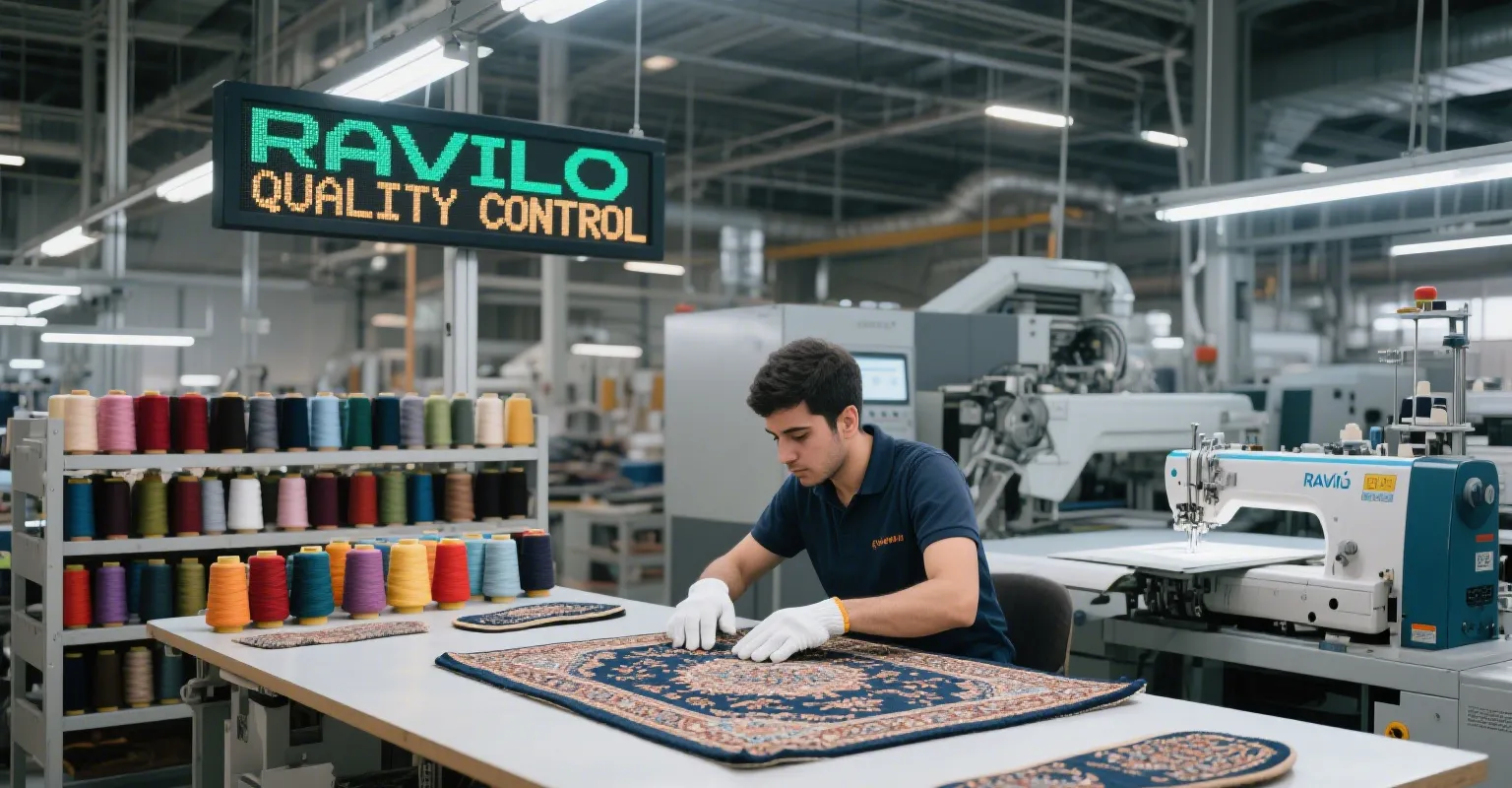
Car floor mats

Car floor mats

car carpet-Car floor mats

When selecting car floor carpets, fire safety should be a primary consideration. Vehicle fires account for nearly 20% of all reported fires, with interior materials playing a critical role in fire spread and passenger safety. Choosing the right fire-retardant car carpet involves understanding material properties, industry standards, and certification requirements to ensure optimal protection for drivers and passengers.

Understanding Fire Safety Standards for Car Carpets

FMVSS 302: The Gold Standard

The Federal Motor Vehicle Safety Standard 302 (FMVSS 302) is the primary regulation governing flammability requirements for automotive interior materials in the United States. This standard specifies burn resistance requirements for materials used in vehicle occupant compartments, including carpets, seat covers, headliners, and other interior components. The test involves applying a flame to a horizontal sample and measuring the burn rate to ensure it doesn’t exceed the maximum permitted limit.

International Standards and Classifications

Beyond FMVSS 302, several international standards provide comprehensive fire safety frameworks:

  • European Classifications (Euroclasses): Class A1 (no contribution to fire) to Class F (unclassified, lowest performance)
  • French M Ratings: M1 (non-flammable) to M4 (highly flammable)
  • ISO 6925: International standard for carpet flammability testing
  • 16 CFR Parts 1630/1631: US standards for surface flammability of carpets and rugs

Material Selection: Key Considerations

Synthetic Fibers with Fire-Retardant Properties

Nylon and polyester are among the most effective synthetic materials for fire-resistant car carpets. These materials can be treated with flame-retardant chemicals to achieve superior fire performance. Nylon, in particular, offers excellent toughness and high-temperature resistance, making it ideal for automotive applications.

Natural Fiber Options

While synthetic fibers dominate the market, wool remains a viable natural option with inherent fire-resistant properties. However, it’s important to note that wool may not be as easy to clean as synthetic alternatives and typically comes at a higher cost.

Backing Materials and Treatments

The backing material plays a crucial role in overall fire performance. Materials like jute, latex, and foam backings can significantly enhance fire resistance when treated with appropriate flame-retardant compounds. VAE (vinyl acetate ethylene) copolymer dispersions have emerged as superior alternatives to traditional SB latex, offering equivalent fire retardancy with lower alumina trihydrate (ATH) content and reduced emissions.

Performance Testing and Certification

Key Testing Methods

Reputable manufacturers conduct comprehensive testing to ensure compliance with fire safety standards:

  • Cone Calorimeter Testing: Measures heat release rate and time to ignition
  • NBS Smoke Density Chamber: Evaluates smoke production during combustion
  • Radiant Panel Testing: Assesses flame spread performance
  • Limiting Oxygen Index (LOI): Determines the minimum oxygen concentration required for combustion

Certification Requirements

When sourcing car carpets, verify that products carry appropriate certifications:

  • UL Certification: Underwriters Laboratories certification for fire safety
  • Green Label Plus: Independent testing program for low VOC emissions
  • GUT Seal: European certification for environmentally friendly carpets
  • ISO 9001/IATF 16949: Quality management system certifications

Market Analysis and Industry Trends

Global Market Growth

The automotive carpeting market is experiencing robust growth, projected to reach $9.375 billion by 2033 with a CAGR of 6.25%. This growth is driven by increasing vehicle production, rising consumer awareness of safety standards, and the shift toward electric vehicles that demand specialized interior materials.

Regional Variations in Requirements

Different regions have varying regulatory frameworks:

  • North America: Focuses heavily on FMVSS 302 compliance and durability
  • Europe: Emphasizes environmental regulations (REACH, VOC emissions) and recyclability
  • Asia-Pacific: Rapidly evolving standards with increasing emphasis on both quality and environmental considerations

Sustainability Considerations

The market is witnessing a significant shift toward sustainable materials. Automakers increasingly demand carpets made from recycled content (such as rPET) or bio-based materials to reduce environmental impact and meet corporate sustainability goals. This trend is particularly strong in European markets and premium vehicle segments.

Product Selection Criteria for B2B Buyers

Technical Specifications

When evaluating car carpet suppliers, consider the following technical parameters:

  • Material Composition: Nylon, polyester, or wool with appropriate flame-retardant treatments
  • Thickness and Density: Typically 5-8mm total thickness for optimal performance
  • Dimensional Accuracy: ±2mm tolerance for custom-fit applications
  • Colorfastness: ISO 105-B02 testing for UV and color stability
  • Abrasion Resistance: Taber abrasion test results for durability

Quality Assurance Processes

Reputable suppliers should demonstrate:

  • Third-Party Testing: Independent verification of fire performance and material properties
  • In-Process Controls: GSM checks, color matching, and dimensional tolerance monitoring
  • Traceability: Batch tracking and material certification documentation
  • Factory Audits: ISO 9001 or IATF 16949 certified manufacturing facilities

Customization Capabilities

For B2B applications, consider suppliers offering:

  • OEM/ODM Services: Custom designs, colors, and features
  • Minimum Order Quantity (MOQ): Flexible order sizes from 1 set to 5000+ sqm
  • Custom Fit Options: Precision molding for specific vehicle models
  • Logo Embroidery: Brand customization options

Installation and Maintenance Best Practices

Proper Installation Techniques

Ensure carpets are installed according to manufacturer specifications:

  • Use correct thickness and material size matching original equipment
  • Secure carpets properly to prevent movement and ensure proper fit
  • Avoid covering contact points or obstructing seat adjustments
  • Follow recommended fastening procedures with appropriate torque specifications

Maintenance for Long-Term Performance

Regular maintenance preserves fire-retardant properties:

  • Regular Vacuuming: Remove dirt and debris that could compromise material integrity
  • Immediate Spill Response: Clean spills promptly using mild detergent solutions
  • Periodic Deep Cleaning: Use automotive-specific carpet cleaners every few months
  • Avoid Harsh Chemicals: Use products compatible with flame-retardant treatments

Cost Considerations and Value Proposition

Pricing Structure Analysis

B2B buyers should evaluate:

  • Tiered Pricing: Volume discounts typically available for orders of 500+ units
  • Total Cost of Ownership: Consider durability, maintenance requirements, and replacement frequency
  • Shipping Costs: Factor in weight and volume-based shipping expenses
  • Customization Premium: Additional costs for custom colors, logos, or special features

Return on Investment Factors

Investing in high-quality fire-retardant carpets delivers:

  • Enhanced Safety: Reduced fire risk and improved passenger protection
  • Longer Service Life: Premium materials withstand wear and tear better
  • Brand Enhancement: Custom options enhance vehicle interior aesthetics
  • Regulatory Compliance: Avoids potential recalls and legal liabilities

Emerging Technologies and Future Trends

Advanced Material Innovations

The industry is witnessing several technological advancements:

  • Halogen-Free Flame Retardants: Environmentally friendly alternatives to traditional brominated compounds
  • Smart Textiles: Integration of temperature regulation and moisture control features
  • Bio-Based Materials: Development of sustainable alternatives from renewable resources
  • Nano-Enhanced Composites: Improved fire performance through nanotechnology

Market Outlook

The automotive carpet market is expected to continue its growth trajectory, driven by:

  • Electric Vehicle Adoption: Specialized interior requirements for EVs
  • Premiumization Trends: Increasing demand for luxury features and customization
  • Regulatory Evolution: Stricter safety and environmental standards
  • Consumer Awareness: Growing emphasis on vehicle safety and sustainability

By understanding these comprehensive factors and working with reputable suppliers that prioritize fire safety, B2B buyers can make informed decisions that protect both their customers and their brand reputation.

More Products

Our factory offers high-quality products at competitive prices
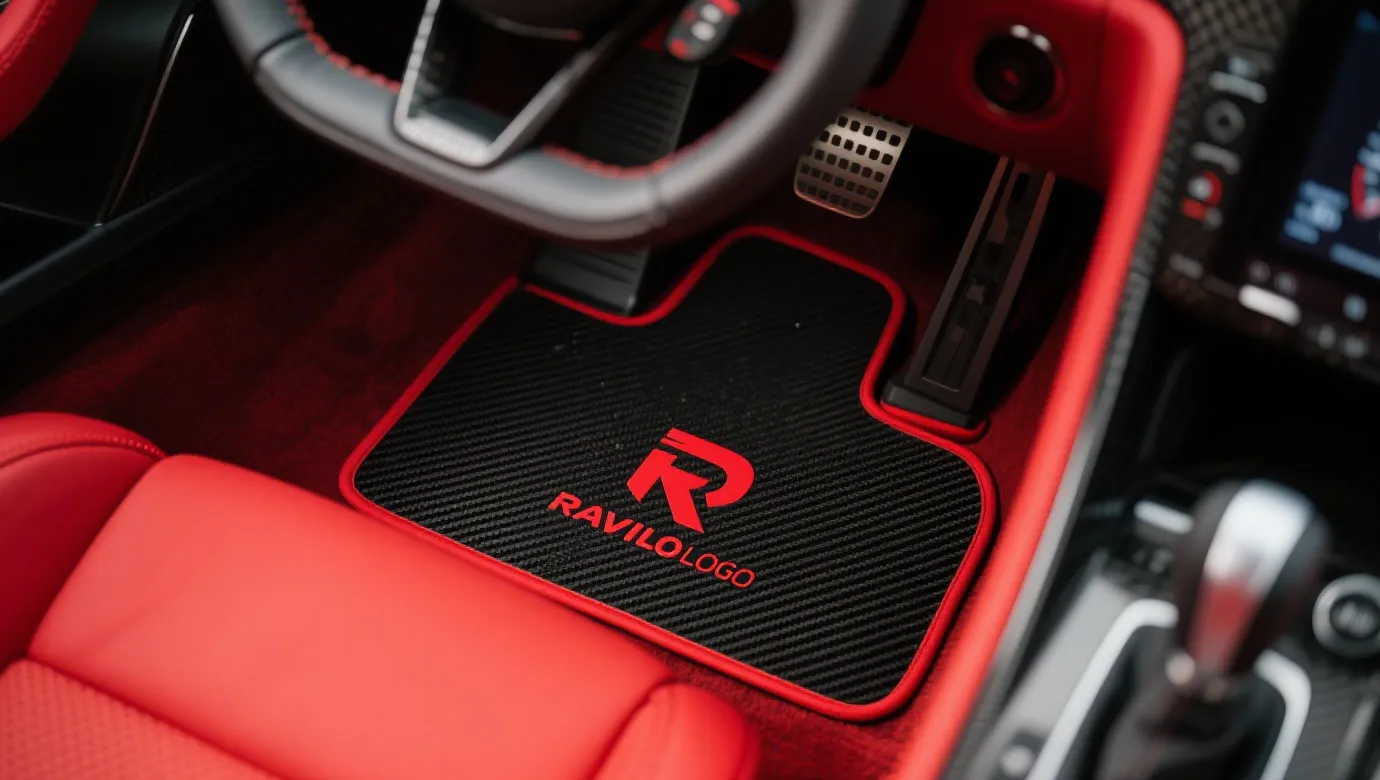
All-Weather Car floor mats for automatic cars

All-Weather Car floor mats for automatic cars

All-Weather Car floor mats for automatic cars – Fits Gear Shift Area & Prevents Pedal Interference All-Weather Car Floor Mats for Automatic Cars – Universal Fit, Gear Shift Protection & Pedal Safety ​Protect Your Vehicle’s I.

For Automatic Cars – Carpet Comfort Floor Mats | Cost-Effective, Universal, Soft & Pretty

For Automatic Cars – Carpet Comfort Floor Mats | Cost-Effective, Universal, Soft & Pretty

The Comfort Companion for Automatic Cars, Warming Every Journey Cost-effective universal fit, soft plush material, providing a home-like warm driving experience. Every Ravilo mat is meticulously designed to align with your car’s.

FAQ

NEWS

Contact Ravilo · Start B2B Cooperation

Need B2B quotes, custom Persian-style mat solutions, or sample requests? Our team responds within 24 hours

Submit B2B Cooperation Inquiry

B2B Contact Details

Factory & Office Location

No. 12, Auto Parts Industrial Park, Suzhou Industrial Park, Jiangsu Province, China

B2B Hotline

+8613609771614(Manager)

Business Emails

sandy@ravilocarpet.com (B2B Cooperation)


Quick Tip

For urgent B2B inquiries (e.g., bulk order delivery updates), contact our WhatsApp hotline: +8613609771614 (response within 1 hour).
Home Products Contact